
"coffee pulp removal"
2000 article(s) found
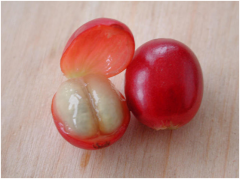
Processing method of high-quality coffee beans coffee refining method
There are a pair of oval seeds in the center of the fruit of the coffee tree, which are covered with exocarp, endocarp and pulp. Ripe fruit will rot in a short period of time without treatment, so the purpose of refining is to enable coffee beans to be preserved for a long time, easy to store and circulate. Figure (1) Coffee fruit Coffee fresh fruit should be dealt with immediately after being harvested. Refining is to remove the peel and pulp of coffee fruit

Treatment methods of coffee beans
1.2 washing is the most popular treatment method at present, and most of the boutique coffee beans will choose the washing method. Washing coffee refining process: harvesting storage tank (removal of impurities and immature beans) pulp removal machine (removal of pulp and impurities) fermentation tank (removal of mucous membrane attached to endocarp) washing pool (select light and hard beans) sun drying field (or dryer)

Introduction to the process of washing coffee beans with honey in the sun
Coffee treatment water washing is currently the most popular treatment, most of the boutique coffee beans will choose the water washing method. Washing coffee refining process: harvesting storage tank (removal of impurities and immature beans) pulp removal machine (removal of pulp and impurities) fermentation tank (removal of mucous membrane attached to endocarp) washing pool (select light and hard beans) sun drying field (or drying

Introduction to the quality of coffee bean berry treatment method, taste and flavor description method
Coffee treatment quality introduction semi-washing method, also known as honey treatment, is a compromise between drying and washing, eliminating the need for water-washing to ferment the coffee fruit. Harvesting and storage tank (removal of impurities and impurities) pulp removal machine (removal of pulp and impurities) washing pool (selection of light and hard beans) sun field (or dryer) sheller (removal

What difference does wet planing honey have to go to flesh insolation? What's the way to treat coffee?
Yesterday we talked about sun treatment and water washing. Today we will take a look at the treatments between sun treatment and water washing: wet shaving, half-sun treatment, pulp sun treatment and honey treatment. What are these treatments? What's the difference between them? Let's first look at the structure of coffee cherries. A coffee fruit is large from the outside to the inside.

Advantages and disadvantages of coffee bean treatment: sun water washing, half water washing, half sun honey treatment.
Professional barista communication please pay attention to the coffee workshop (Wechat official account cafe_style) coffee fruit harvest time is different, about 7 to 8 months coffee fruit ripe bright red, called coffee cherry (coffee cherries) coffee cherry structure is: exocarp, pulp, pectin layer, sheep skin (seed shell), silver skin, fruit, pectin layer thickness about 1-2mm, translucent
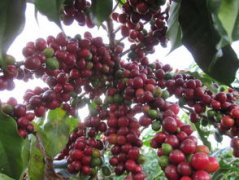
How to deal with high-quality coffee beans
There are a pair of oval seeds in the center of the fruit of the coffee tree, which are covered with exocarp, endocarp and pulp. Ripe fruits will rot in a short time without treatment, so the purpose of refining is to enable coffee beans to be preserved for a long time, easy to store and circulate. (1) Coffee fruits and fresh fruits should be treated immediately after they have been harvested. Refining is to remove the outer skin and pulp of coffee fruit.
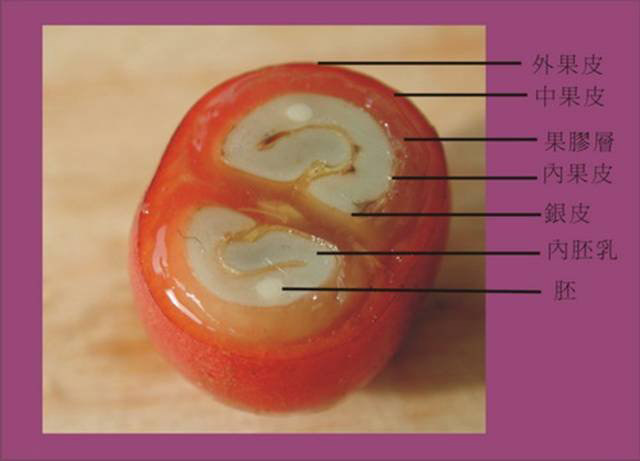
The treatment method of high-quality coffee beans-details of coffee refining method
There are a pair of oval seeds in the center of the fruit of the coffee tree, which are covered with exocarp, endocarp and pulp. Ripe fruit will rot in a short period of time without treatment, so the purpose of refining is to enable coffee beans to be preserved for a long time, easy to store and circulate. Figure (1) Coffee fruit Coffee fresh fruit should be dealt with immediately after being harvested. Refining is to remove the peel and pulp of coffee fruit

Introduction of Coffee West Java Honey flavor description and taste
a. The picking and flotation process in the early stage of mechanical peeling (exocarp peeling) is similar to that of water washing, but the link of mechanical peeling is very different. The washing method requires the pulp to be removed to ensure its cleanliness, while the mechanical peeling process of honey treatment can adjust the caliber of the peeling machine to determine how much pulp to remove. The whole is divided into three categories, such as the following figure (from left to right): 1. Get rid of more than 50% fruit
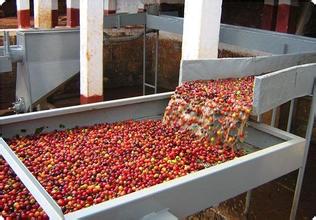
Treatment of raw coffee beans: introduction to the operation method and purpose of washing method
Washing method: 1, select beans: put the harvested fruit in a water tank and soak for about 24 hours. At this time, ripe fruit will sink, while immature and overripe fruit will float up and can be removed. 2. Remove the pulp: use a machine to remove the skin and pulp, leaving only the coffee beans wrapped in the endocarp. At this time, there is a layer of mucous membrane on the outside of the beans, and the process of washing is

What is the effect of coffee honey in treating coffee honey?
Skin/Pulp: the outermost layer of coffee beans is covered with berry-like skin and pulp. In addition to the natural sun method, coffee beans treated by other methods must remove the skin and flesh within a few hours after picking. Similar to the cherries we often eat, the difference is that when we eat cherries, we mainly eat the pulp and peel of berries. For coffee.

Coffee treatment: what are the kinds of sun treatment? What's the difference between the sun and the half-sun?
Professional coffee knowledge exchange more coffee bean information please pay attention to the coffee workshop (Wechat official account cafe_style) the four most common ways to handle Brazilian coffee good handling methods can lead to the rich flavor of coffee. Just as wine needs to be well brewed to produce a wine with excellent flavor, so the treatment for raw beans is similar, and different treatments will produce

Coffee bean production process and common coffee processing methods
Process Description: 1. Remove the shell and remove the coffee shell. 2, choose beans, remove moldy coffee beans. 3, cleaning, washing coffee with water to wash away surface dirt. 4. Bake, bake at 90~100℃ for half an hour. 5. Grinding: grinding and crushing the processed coffee with a roller grinder. 6, pulping (add water), add coffee about 3 times the 95℃ hot water
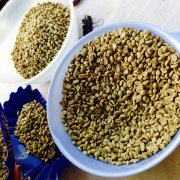
Coffee bean processing coffee washing method or drying method is better
The refined processing of coffee beans has about 8 processes, such as rough processing, separation, classification, fermentation, drying, shelling, polishing, sorting and so on. There are two ways to prepare coffee beans for the baking process. The method chosen has a significant impact on the final value and quality of coffee. The cheapest processing method is called drying, which is used for lower grade coffee beans and higher quality coffee beans.

How many coffee treatments are there? What's the difference between tanning and washing?
Professional coffee knowledge exchange more coffee bean information please pay attention to the coffee workshop (Wechat official account cafe_style) how many kinds of coffee processing? What's the difference between tanning and washing? In this innovation and change of modern coffee industry, more and more characteristics of producing areas, roasting degree, treatment methods and so on have been paid more and more attention. This time, I would like to share with you some of the more common ones.

Coffee bean washing method introduces which coffee bean varieties are treated by washing method
Washing is currently the most popular method of treatment, most of the fine coffee beans will choose washing method. Washing coffee refining process: harvesting tank (remove impurities and immature beans) pulp remover (remove pulp and impurities) fermentation tank (remove mucosa attached to the endocarp) washing tank (select light and hard beans) solarization field (or dryer) hulling machine (

The processing method of high-quality coffee beans how to turn coffee fruits into coffee beans?
There are a pair of oval seeds in the center of the fruit of the coffee tree, which are covered with exocarp, endocarp and pulp. Ripe fruit will rot in a short period of time without treatment, so the purpose of refining is to enable coffee beans to be preserved for a long time, easy to store and circulate. Figure (1) Coffee fruit Coffee fresh fruit should be dealt with immediately after being harvested. Refining is to remove the peel and pulp of coffee fruit

Coffee refining methods are mainly divided into three categories.
There are a pair of oval seeds in the center of the fruit of the coffee tree, which are covered with exocarp, endocarp and pulp. Ripe fruit will rot in a short period of time without treatment, so the purpose of refining is to enable coffee beans to be preserved for a long time, easy to store and circulate. After the fresh coffee fruit is harvested, it should be dealt with immediately. Refining is to remove the skin and pulp of the coffee fruit, and then take the seeds.

What are the basic treatment methods of coffee fruit?
There are a pair of oval seeds in the center of the fruit of the coffee tree, which are covered with exocarp, endocarp and pulp. Ripe fruits FB in a short period of time without treatment, so the purpose of refining is to enable coffee beans to be preserved for a long time, easy to store and circulate. After the fresh coffee fruit is harvested, it should be dealt with immediately. Refining is to remove the skin and pulp of the coffee fruit, and then take out the seeds.
Coffee bean treatment method traditional washing method
Water washing is the most popular treatment method at present, and most boutique coffee beans will choose water washing method. Washing coffee refining process: harvesting storage tank (removal of impurities and immature beans) pulp removal machine (removal of pulp and impurities) fermentation tank (removal of mucous membrane attached to endocarp) washing pool (selection of light and hard beans) sun drying field (or dryer) sheller (